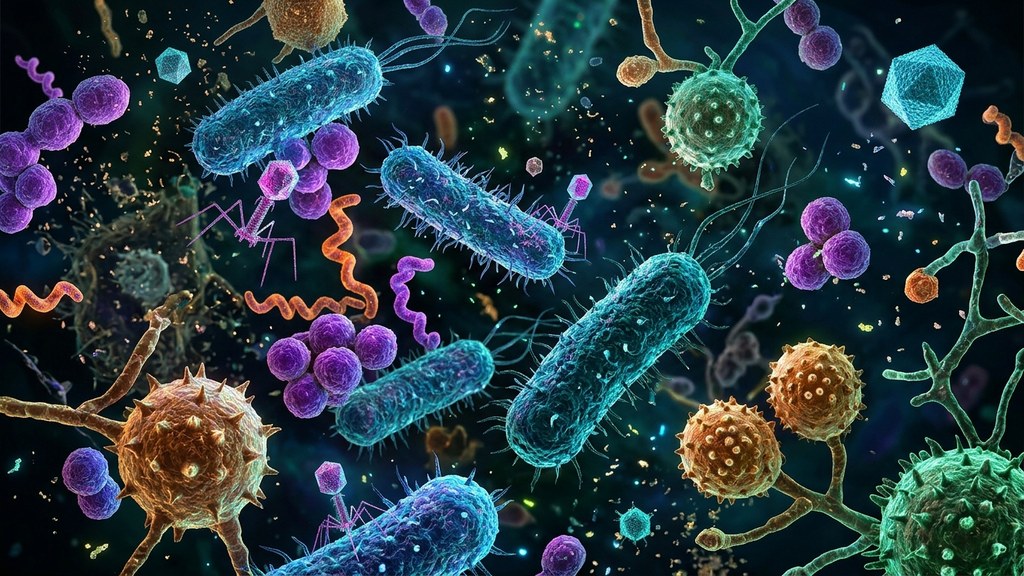
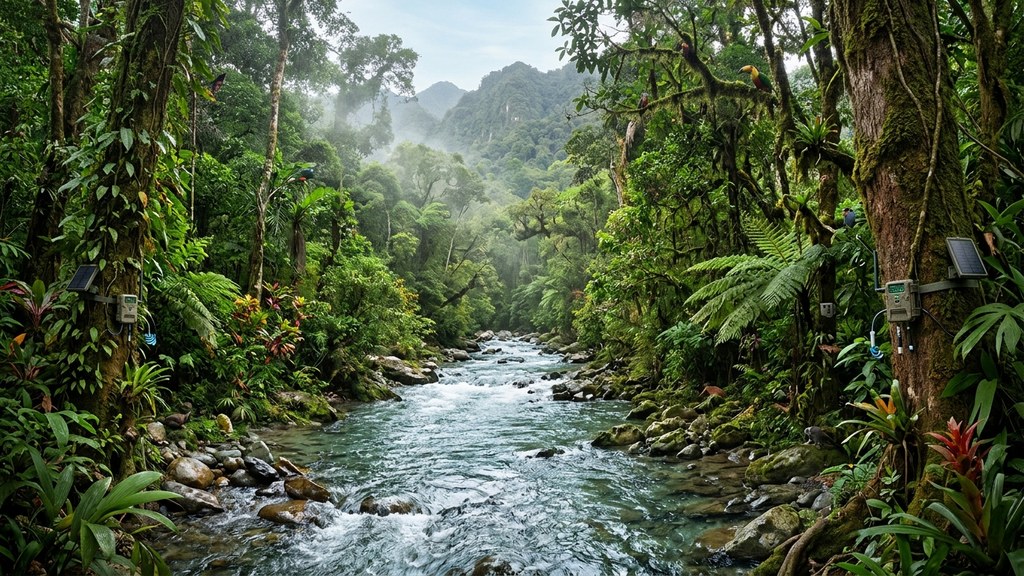
- Ecosystem services provide clean freshwater, carbon sequestration, fertile soils, and microclimate regulation.
- High biological diversity fosters ecological resilience against extreme weather disruptions.
- Mutual feedback loops between climate change and degraded natural carbon sinks.
- Ecosystem-based adaptation utilizes natural buffers (mangroves, wetlands) for coastal defense.
Ecology is the study of how living things interact with one another and with their environment. It helps us understand how ecosystems function, why biodiversity is essential, and how human activity and climate change can disrupt natural balance.
What Are Ecosystems?
An ecosystem is a community of plants, animals, microorganisms, soil, water, and air interacting together in a specific place. Forests, wetlands, oceans, grasslands, and deserts are all ecosystems, and each one provides vital services such as clean water, fertile soil, food, and climate regulation.
Healthy ecosystems are not just “nice to have”; they support life and help reduce the impacts of floods, droughts, and heat stress. Restoring degraded ecosystems is also a practical way to improve resilience and support human well-being.
Why Biodiversity Matters
Biodiversity means the variety of life on Earth, including genes, species, and ecosystems. High biodiversity generally makes ecosystems more stable, productive, and better able to recover from disturbances like storms, pests, and droughts. When biodiversity declines, ecosystems become weaker and less adaptable.
Conservation & Ecosystem-Based Adaptation
Conservation is the protection and careful management of nature so that ecosystems and species survive for future generations. This includes protecting forests, restoring wetlands, reducing pollution, managing land sustainably, and promoting biodiversity-friendly agriculture.
One of the most effective approaches is ecosystem-based adaptation, which uses natural systems to help communities adapt to climate change. For example, mangroves reduce coastal flooding, forests stabilize slopes, and diverse agroforestry supports food production under changing weather patterns.
“Protecting biodiversity is not separate from climate action; it is one of its primary foundations.”
- United Nations Climate Change — Biodiversity: our strongest natural defense against climate impacts: https://www.un.org/en/climatechange/science/climate-issues/biodiversity
- Convention on Biological Diversity — Climate Change and Biodiversity Introduction: https://www.cbd.int/climate/intro.shtml
- World Health Organization (WHO) — Biodiversity and Health Fact Sheet: https://www.who.int/news-room/fact-sheets/detail/biodiversity